America's Last Wild Forests Face the Road
The Trump administration's proposed rollback of the 2001 Roadless Rule would open 59 million acres of national forest to logging and construction.
By The Breakthroughist Desk
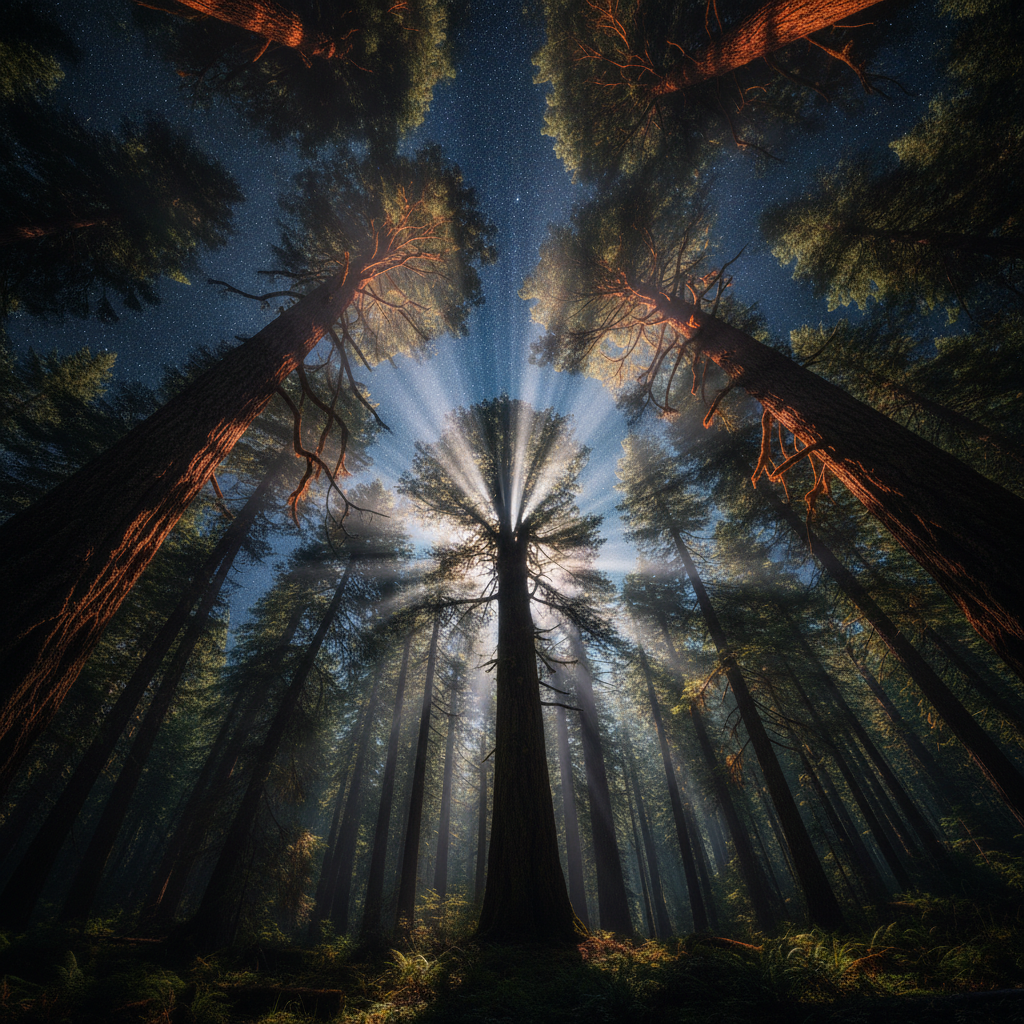
Now the Trump administration has proposed rescinding the 2001 Roadless Rule, a move that would remove prohibitions on road construction and logging on nearly 59 million acres of national forest. [1]
It covers over 58 million acres—including southeast Alaska's Tongass National Forest, where eagles, bears, salmon, and many other species thrive in old-growth coastal forest along the Inside Passage. [1]
The ecological case for keeping roads out is concrete. Studies show that road noise displaces wildlife and can affect wildlife behavior patterns at distances of over a mile from the road. Culverts—structures that route streams under roads—are rarely built to let fish pass, leading to declines in fish populations and local extinctions. Roadless areas, meanwhile, protect watersheds that supply drinking water to 47 million Americans. [1]
For imperiled species, the stakes are specific. The median roadless area supports 10 wildlife species of conservation concern; some Arizona roadless areas contain habitat for up to 62. [1]
What's at stake is not just ecology but the quiet negotiation between access and restraint that defines how a country manages its last intact places.
A 30-day public comment period on the formal rescission proposal begins once it is published in the Federal Register. [1]
More than 4.The question is whether the remaining silence is worth protecting. [1]
Roadless areas also protect watersheds that supply drinking water to 47 million Americans.Mariah Meek and Travis Belote