Germany's Sovereign Radio Play
Rafael and DND Digital are building BNET tactical comms on German soil — a blueprint other NATO allies may follow.
By The Defense Desk
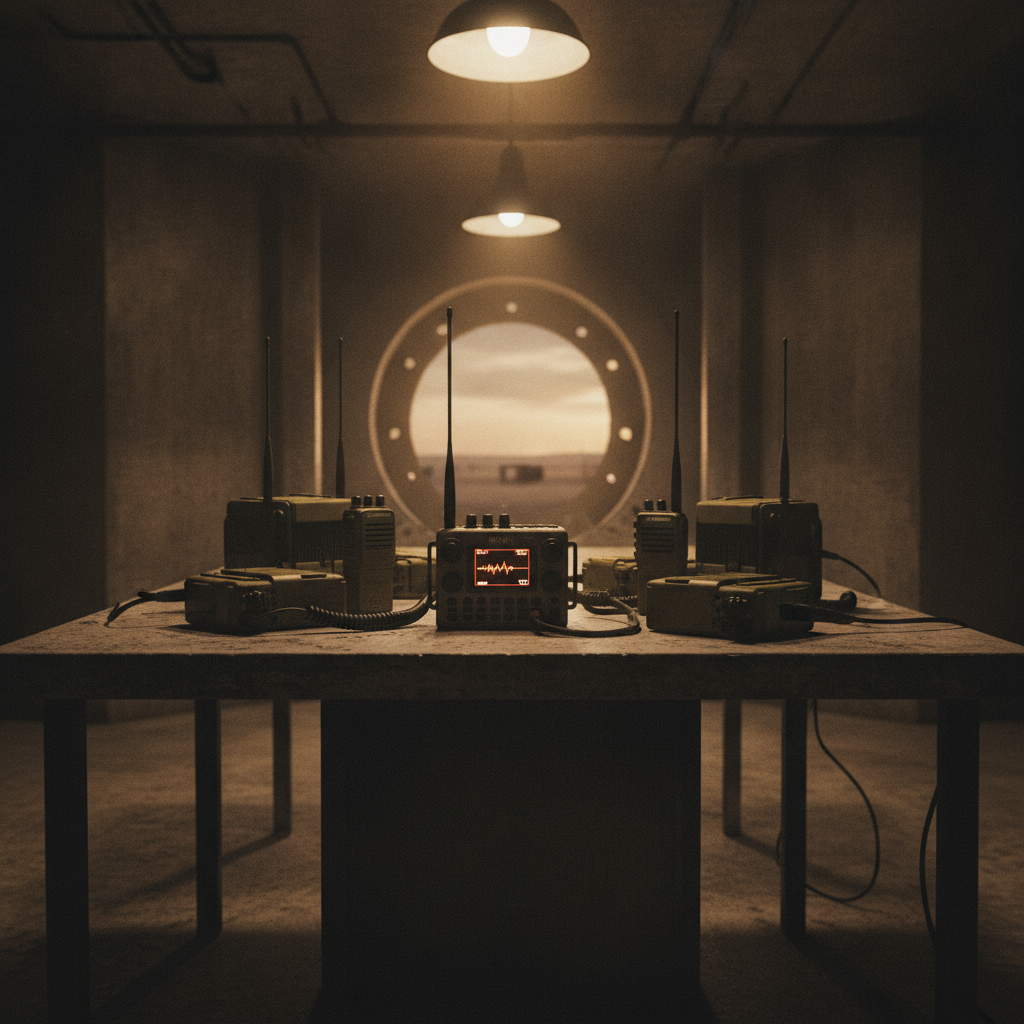
The effort, called DND Digital, is Rafael's bet that the future of coalition communications runs through sovereign industrial bases, not export licences. [1]
The urgency is real. [1] "The question is no longer, does my radio work, but rather does my radio work with the Dutch and the Poles and the Romanians and the Americans under one common operating picture today?" [1]
Rafael's answer is BNET — a software-defined, MANET-based platform where every node acts as a router and new waveforms can be pushed as software updates without hardware changes. Critically, the platform is non-ITAR, meaning European exports remain free of third-country licence dependencies. [1] DND Digital, a wholly owned Rafael subsidiary, builds the radios completely in Germany, using local suppliers for printed circuit boards, mechanical-electrical parts, and full-scale assembly and testing. [1]
Germany was chosen for scale and industrial depth. The Sondervermögen and Zeitenwende spending packages make German demand for modern tactical communications the largest in Europe, while the country's existing defense industrial base ensures radios get integrated into vehicles and command posts rather than sitting on shelves. [1]
What emerges is less a product story than an industrial doctrine: sovereignty and interoperability are not in tension, and the country that masters both writes the template for the rest of the alliance.
Dohrn's framing is blunt: "When supply chains run through a single foreign capital, your operational autonomy ends where that capital's politics begin, plain and simple." [1] The German model, Rafael argues, is not an exception — it is a repeatable blueprint for every NATO member with the industrial base and political will to build its own.