Google Buys the Output of Reactors That Don't Exist Yet
A $4.3 billion deal between Google and Constellation will squeeze 890 MW of new capacity from 11 existing nuclear units—no new reactor required.
By The energy-climate Desk
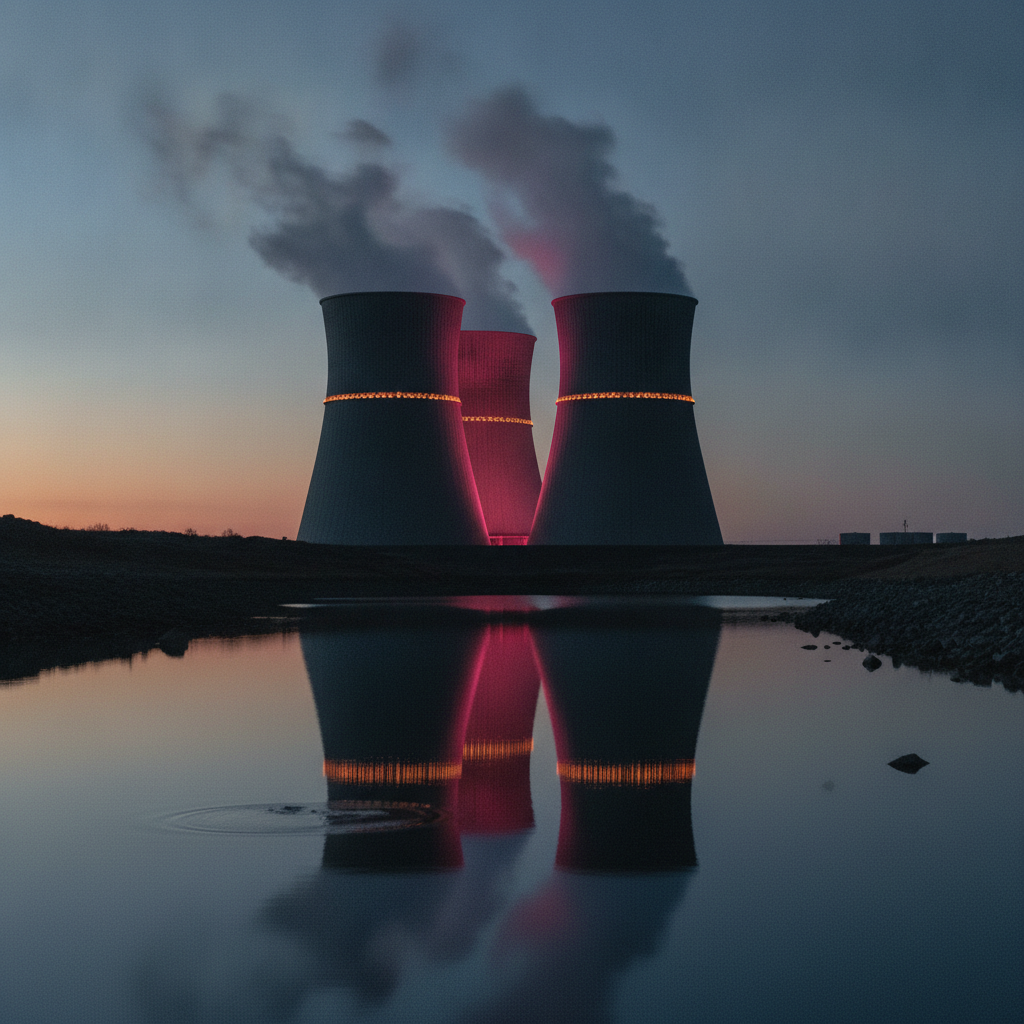
Google and Constellation Energy have signed a 20-year power purchase agreement to add 890 megawatts of nuclear capacity to the PJM grid—not by building a new plant, but by pushing 11 existing reactors harder. [1][2]
The mechanism is called a power uprate: operators use fuel that's more highly enriched, upgrade main turbines and equipment such as pumps, motors, generators, and transformers, and extract more electricity from the plant. Major overhauls can boost output by as much as 20%. [1]
Constellation will invest more than $4.3 billion across six nuclear sites in Illinois, Pennsylvania, and New Jersey, sustaining roughly 4,400 existing jobs and creating approximately 7,200 new construction jobs. The first uprated megawatts are expected on the grid by 2028. [2]
The 890 MW figure matters because it equals the output of several Small Modular Reactors—or one large conventional reactor—without the multi-year interconnection delays of greenfield construction. [2] The Department of Energy separately awarded a $4.2 billion loan to Vistra for upgrades at three plants, adding 433 megawatts; Meta has already contracted that output. [1]
The deals signal something structural: when industrial electricity buyers commit decades of revenue upfront, capital that once looked too expensive for aging infrastructure suddenly pencils out.
The math still has limits. PJM expects roughly 30 gigawatts of additional peak demand from AI by 2030, while all possible nationwide uprates could deliver somewhere between three and eight gigawatts total. [1]
Uprates are the fastest path to firm, zero-emissions watts available right now—but they are a bridge, not a destination. Eventually, the industry will have to build. [1]
These are capital intensive, labor intensive projects that require a different price point than the market trades at, frankly.Joe Dominguez