Iran's Chinese MANPADS Deal Exposes a War's Air Defense Math
A $60–70M shipment of shoulder-fired missiles to Tehran, and a cheaper Patriot interceptor from Lockheed, reveal the same uncomfortable arithmetic.
By The Defense Desk
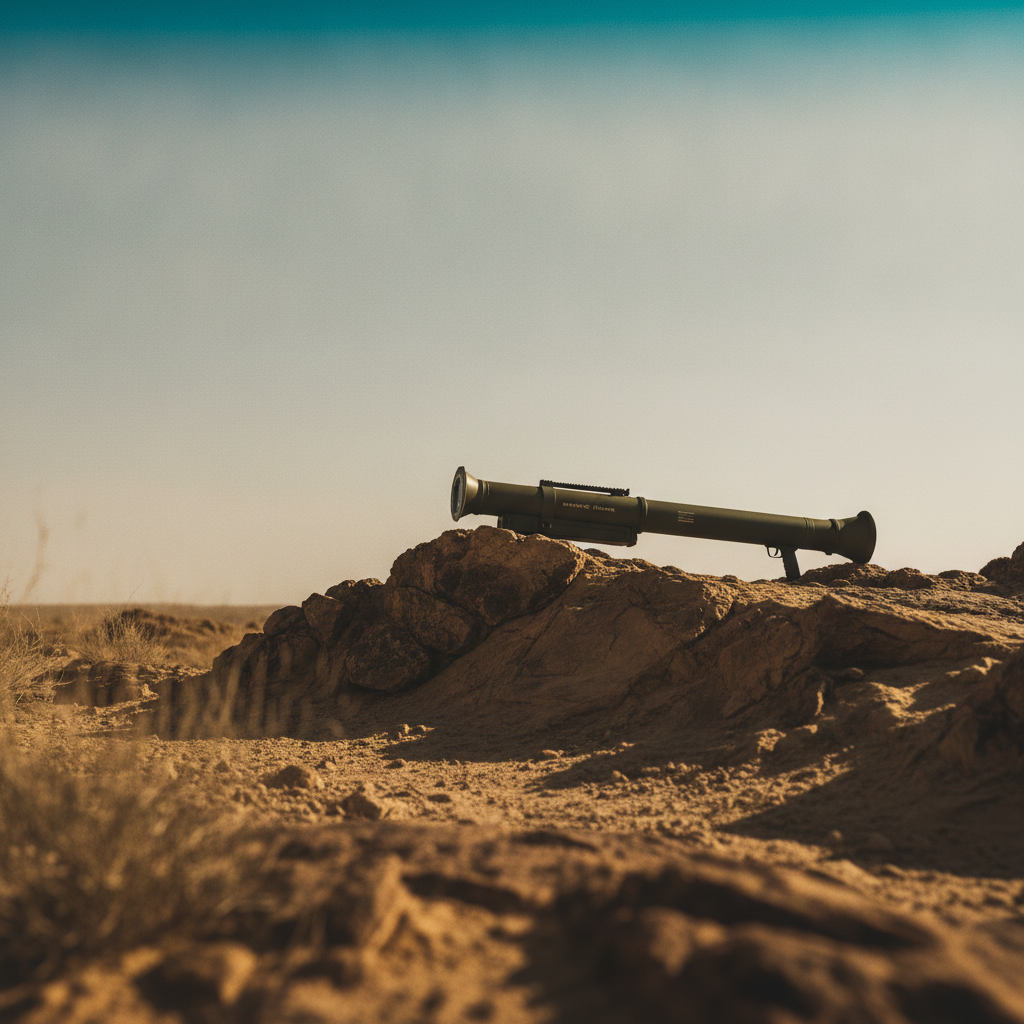
Iran is expected to receive within weeks a first shipment of up to 400 Chinese-made shoulder-fired air defense launchers — a deal valued at $60–70 million signed through a Hong Kong intermediary — as Tehran rebuilds the defenses that U.S. and Israeli strikes have systematically dismantled. [1]
The contract covers between 300 and 400 MANPADS, including Chinese QW-12 and FN-16 infrared-guided systems. Defense analysts regard the QW-12 as less capable than newer QW variants, including the QW-18 and QW-19, but say the systems still offer effective short-range protection against drones and low-flying targets. [1] Their value is operational, not technical: they can be dispersed quickly, operated by small teams, and relocated frequently — making them less vulnerable than fixed air defense batteries. [1]
The timing is pointed. [2]
Two procurement decisions, made on opposite sides of a ceasefire that may not hold, tell the same story: the economics of modern air war are forcing every actor to rethink the cost curve of both offense and defense.
[1] Washington abruptly suspended two weeks of bombardment on Saturday but Trump warned strikes would resume if negotiations failed to end the five-month-old conflict. [1]
Whether the MANPADS arrive or not, the deal's exposure clarifies where the next phase of the conflict is being won: in supply chains and unit economics, long before a missile ever leaves a shoulder. [1][2]