Japan and South Korea Race to Counter China's Naval Surge
Beijing launched 39 warships in four years. Its neighbors are responding with carriers, nuclear subs, and missile-defense ships.
By The Defense Desk
[2] Japan and South Korea are watching those numbers and spending accordingly. [1]
As of 2024, the People's Liberation Army Navy counted 332 warships to the US Navy's 319. [2]
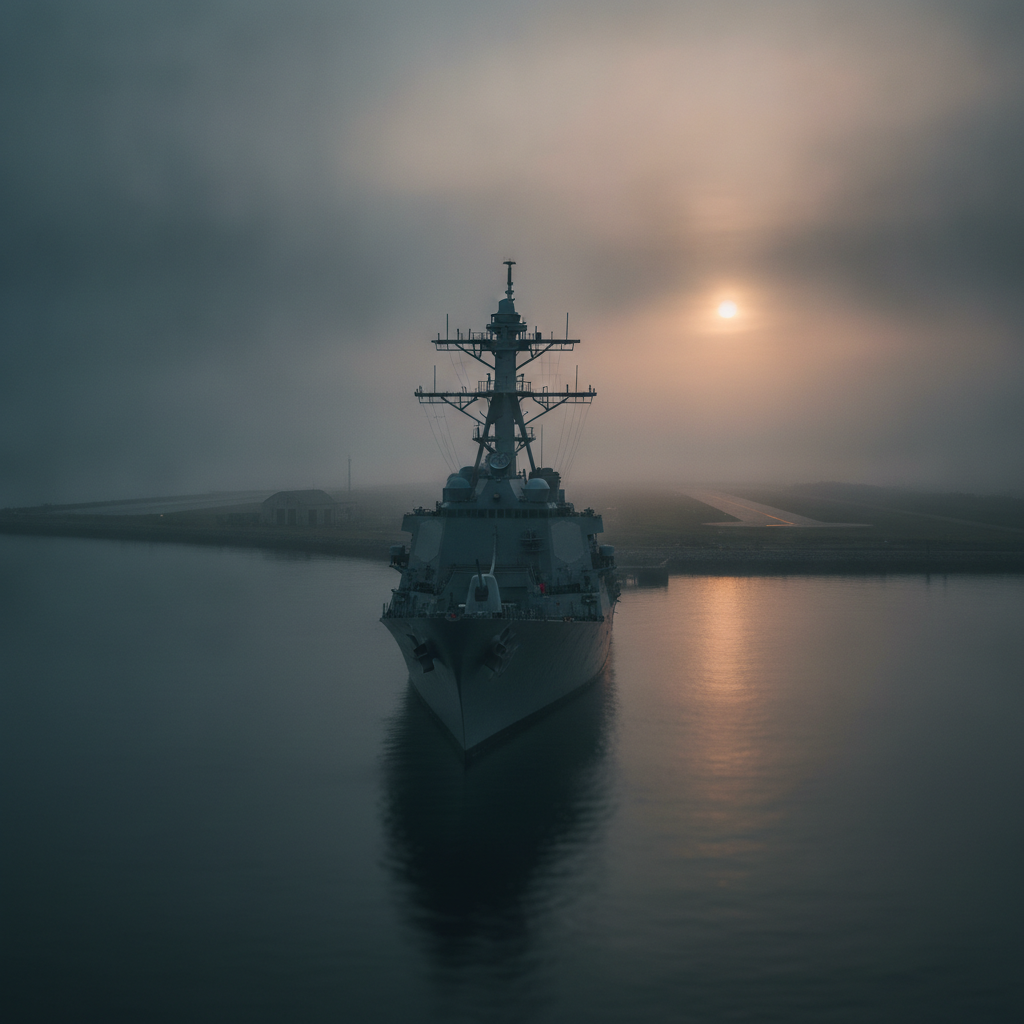
Japan's answer is structural. Mitsubishi Heavy Industries and Japan Marine United are each building one Aegis System Equipped Vessel — 14,000-ton ballistic missile defense platforms armed with 128 Mk.41 VLS cells — due to commission in early 2028 and 2029. [1] Separately, Japan is converting two Izumo-class helicopter destroyers into carriers capable of operating the F-35B, with Izumo's conversion expected to be completed later this year or early 2027. [1]
South Korea's ambitions run deeper — literally. The country recently saw the fulfillment of a long-time wish when US President Donald Trump agreed in May to allow South Korea to develop its own nuclear-powered submarines. [1]
What's unfolding across the Pacific is less an arms race than a quiet architectural shift — each new keel laid a signal that the region's security math is being rewritten from the waterline up.
Alexander Palmer from the CSIS, author of the report Unpacking China's Naval Buildup, put the stakes plainly: "Hull count [number of ships] is not the only measure of a navy's effectiveness of course, but the ability to produce and churn out warships has been extremely impressive and could make a strategic difference." [2] Japan and South Korea are betting their shipyards can close enough of that gap to matter.