SOF's New Half-Mask Treats Fentanyl as a Battlefield Hazard
The MITR system from Avon Protection gives U.S. Special Operations a lightweight answer to chemical threats that now include precursor drug chemicals.
By The Defense Desk
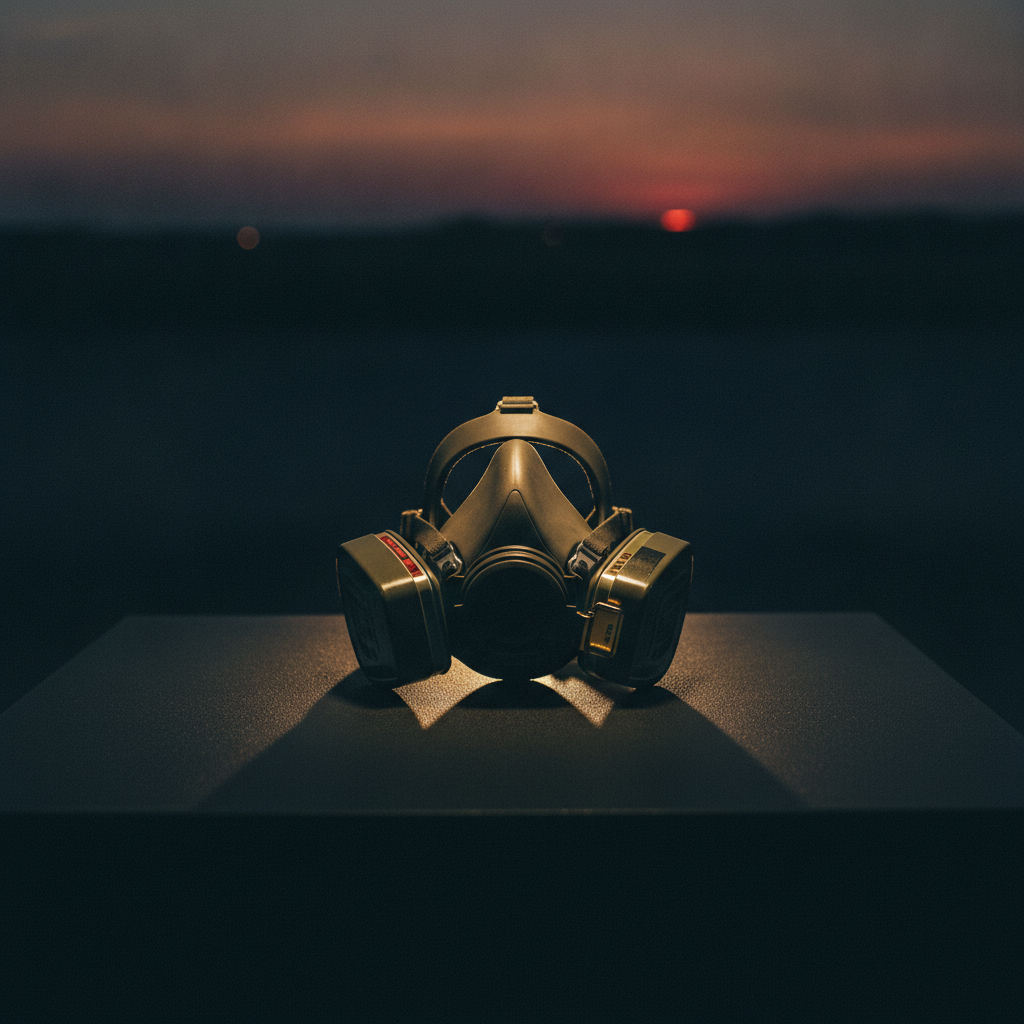
U.S. Special Operations forces are fielding a new split-protection system that treats fentanyl and drug-lab chemicals with the same seriousness as battlefield chemical weapons. The Pentagon and Avon Protection announced a contract on Oct. 9 for the MITR half-mask and goggle system — a rig that weighs half a pound and can be worn linked or separated depending on the threat at hand. [1]
The MITR sits between an N-95 disposable mask and a heavy full-face respirator, offering operators a modular choice rather than an all-or-nothing decision. The goggles seal with positive pressure to block hazardous chemicals from seeping in at the edges, and sweat drainage outlets inside the goggles plus cool air blown in from both sides prevent lens fogging. Casey Galligan, Avon's senior director for the U.S. Homeland Security and the Department of Defense, said the system provides safety against toxic materials while allowing wearers to breathe easier — literally. [1]
The threat landscape driving the purchase has shifted. Galligan — a former U.S. Army Green Beret — told Defense News that fentanyl and chemicals found in drug labs are now part of a wide array of hazards that special warfare operators must guard against, alongside biological weapons and other breathing hazards. "Precursor drug chemicals now are a huge issue that are just as dangerous as a chemical hazard," he said. [1]
The health case for better protection is backed by data. [1]
Deployment is already under way. Elite warfare units of U.S. Special Operations are wearing the system in the field, with additional units en route. The U.S. is joining Canada and another FVEY nation in purchasing the MITR, suggesting allied procurement aligns with a shared read on emerging chemical threats. [1]
The trajectory here is instructive: threats that once lived in the domain of law enforcement — narcotics interdiction, drug-lab raids — are now written into the protective requirements of elite military units. Doctrine and kit are catching up to each other.
Galligan says the system's design philosophy reflects years of incremental refinement rather than a single engineering leap. "We've been going through iterations and continuing to improve it," he noted. [1]
The MITR is explicit about what it is not: a replacement for a full-face respirator in the highest-threat environments. "This is not meant to replace a full-face respirator. A split system gives you options," Galligan said. That framing matters — the system is additive, plugging a gap between disposable masks and cumbersome full-face kit rather than eliminating either end of the spectrum. [1]
Gear adoption in special operations tends to ripple outward. What starts as kit for the tip of the spear often normalizes through the broader force over the following procurement cycles, reshaping standards across services.
Galligan's read on diffusion is straightforward: "When you see the tip of the spear using it, it's going to make it a lot more acceptable." If the SOF Cancer Study accelerated the purchase, the MITR's battlefield visibility may well accelerate what comes next. [1]