Space Force's Commercial Space Reserve Gets Six Real Contracts
CASR awards $1.37M to six monitoring firms — but unresolved legal questions over shutter control and indemnity may stall industry buy-in.
By The Defense Desk
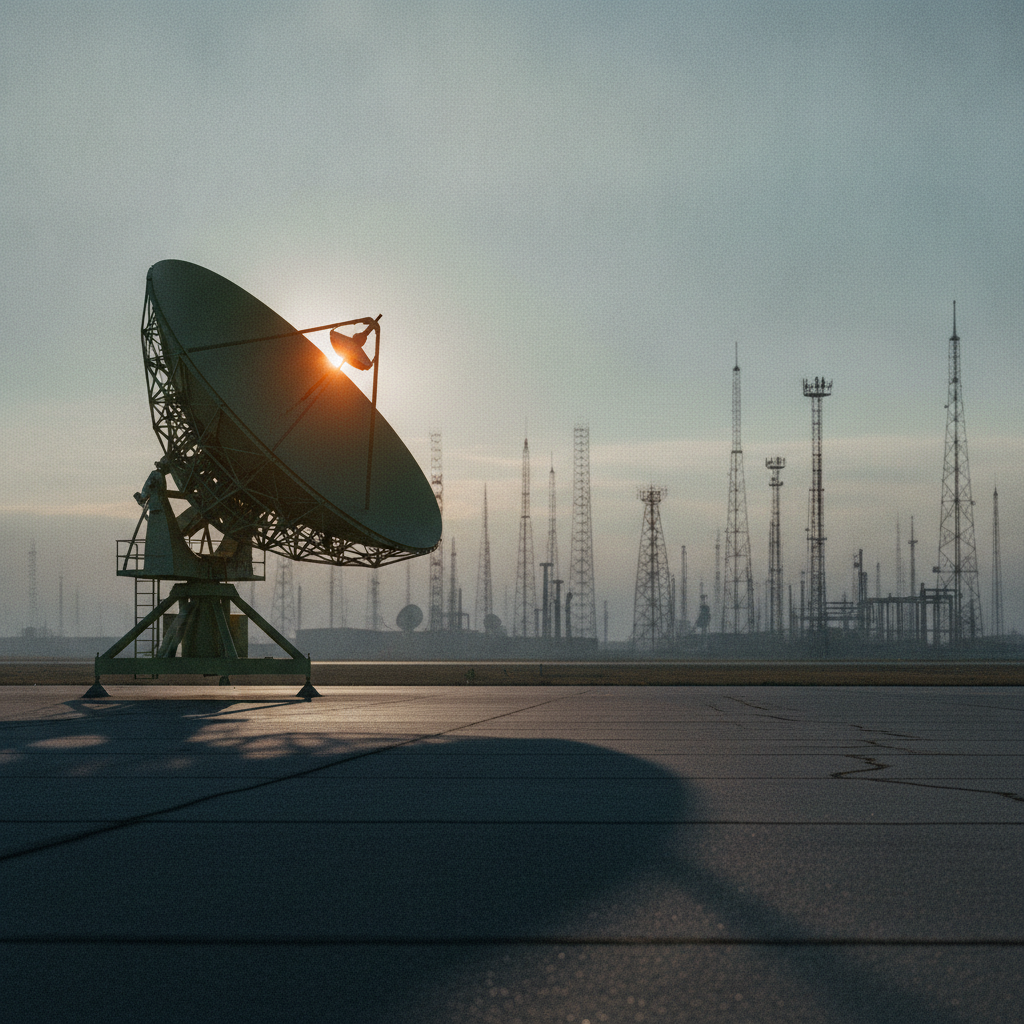
The US Space Force has issued its first 'operational' contracts under the Commercial Augmentation Space Reserve, awarding a combined $1.37 million to six space monitoring firms including Anduril, LeoLabs, Slingshot Aerospace, and Australia's EOS Space Systems. [1]
[1] According to SSC's press release, the contracts were let through the General Services Administration contract framework used by the Joint Commercial Operations cell to buy commercial data and services, and industry sources say similar deals tend to run no more than six months. [1]
These contracts follow a March 2025 pilot round worth $1.1 million that tested contracting processes and the CASR framework agreement for interested firms, rather than provide operational data. [1] According to reports by Air & Space Forces Magazine and Space News, COMSO head Col. Tim Tremillo told reporters during the annual Space Industry Days conference held Oct. 19-22 in Los Angeles that the initial operational awards were meant to provide a short-term boost in space domain awareness data, with the idea that these initial contracts would allow the service to judge military demand, with expansion to more companies and mission areas expected. [1]
Two unresolved issues hang over the program's commercial appeal: whether the government can exercise 'shutter control' — turning off a CASR partner's services to other customers during a conflict — and whether the Pentagon will be willing to indemnify partner firms against financial losses whose satellites are damaged or destroyed during a conflict. [1]
Small contract values and short durations rarely persuade companies to pre-build surge capacity. Without structural financial answers, the reserve risks staying a concept rather than becoming a capability.
The six awardees — EOS Space Systems, NorthStar Earth and Space, InTrack Radar, Anduril, Slingshot Aerospace, and LeoLabs — now deliver real data to the Pentagon, but the harder work of writing rules that make CASR worth joining has barely begun. [1]