Swift's Rescue Satellite Is Now Spinning Out
Katalyst Space's Link spacecraft lost two of three reaction wheels weeks into its mission to save NASA's aging gamma-ray observatory.
By The space-quantum Desk
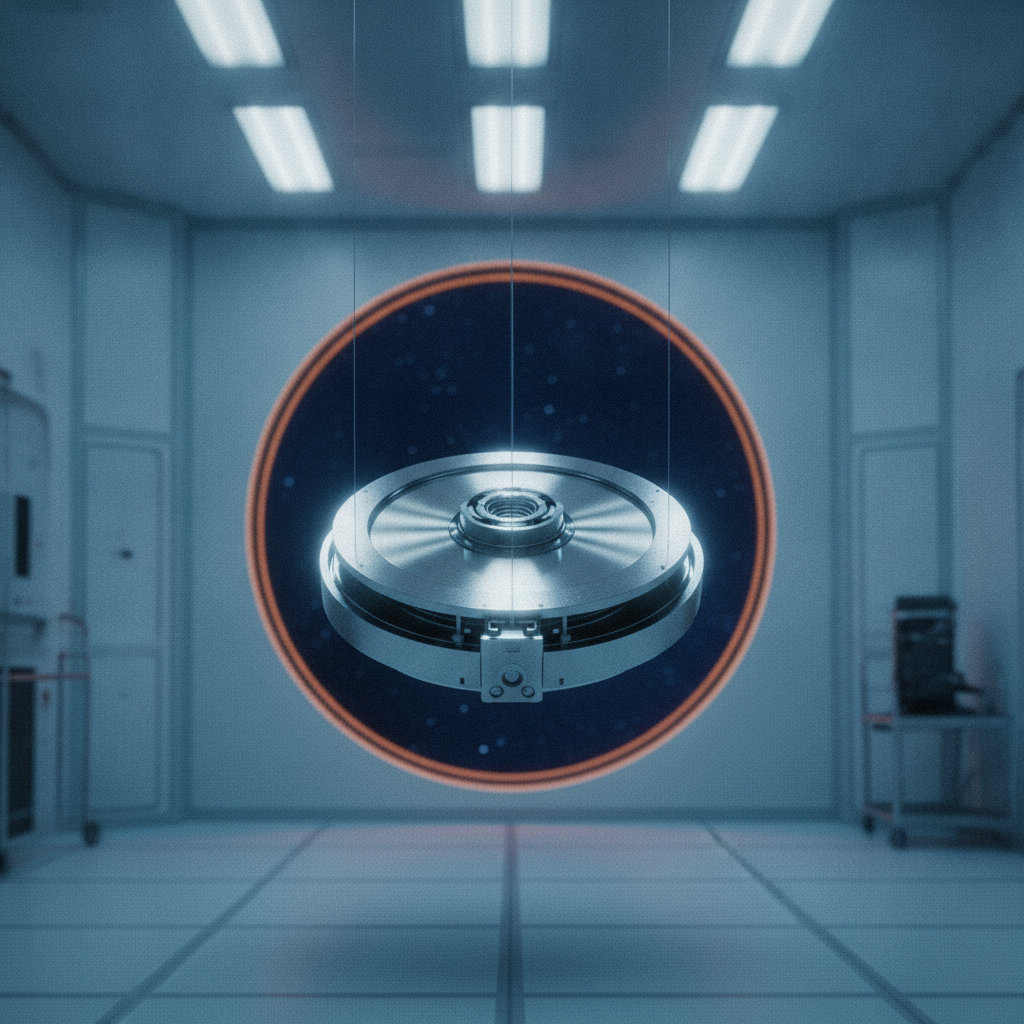
The satellite built to save NASA's Swift gamma-ray telescope is now fighting its own survival. NASA announced that Link — launched July 3 aboard a Northrop Grumman Pegasus XL rocket — lost attitude control over the weekend, causing the spacecraft to spin and resulting in sporadic communications. [1]
Preliminary investigation shows that two of Link's three reaction wheels currently are not operable, and its cold gas thruster system has also lost some functionality. [1] Reaction wheels work by discharging momentum to control the pointing, or attitude, of a spacecraft in orbit — standard components on many satellites. [1]
The stakes are high. Swift, nearly 22 years old and lacking its own propulsion system, is on track to reenter the atmosphere and burn up within months. NASA is paying Katalyst $30 million for the service. [1]
A mission built around speed and commercial ambition now pivots to improvisation — engineering teams working the margins of what the hardware was ever meant to do.
Link is still generating sufficient electrical power and maintaining contact with ground teams, giving engineers time to update the spacecraft's guidance, navigation, and control software before any renewed approach to Swift. [1]
The rescue mission that was already a test of commercial satellite servicing has become something harder: proof that a spacecraft can adapt when its own body starts to fail.