The Space Force's $30 Billion Launch Tab
The Pentagon has tripled its Lane 1 rocket contract ceiling to $17 billion. The total bill is now north of $30 billion—and still climbing.
By The space-quantum Desk
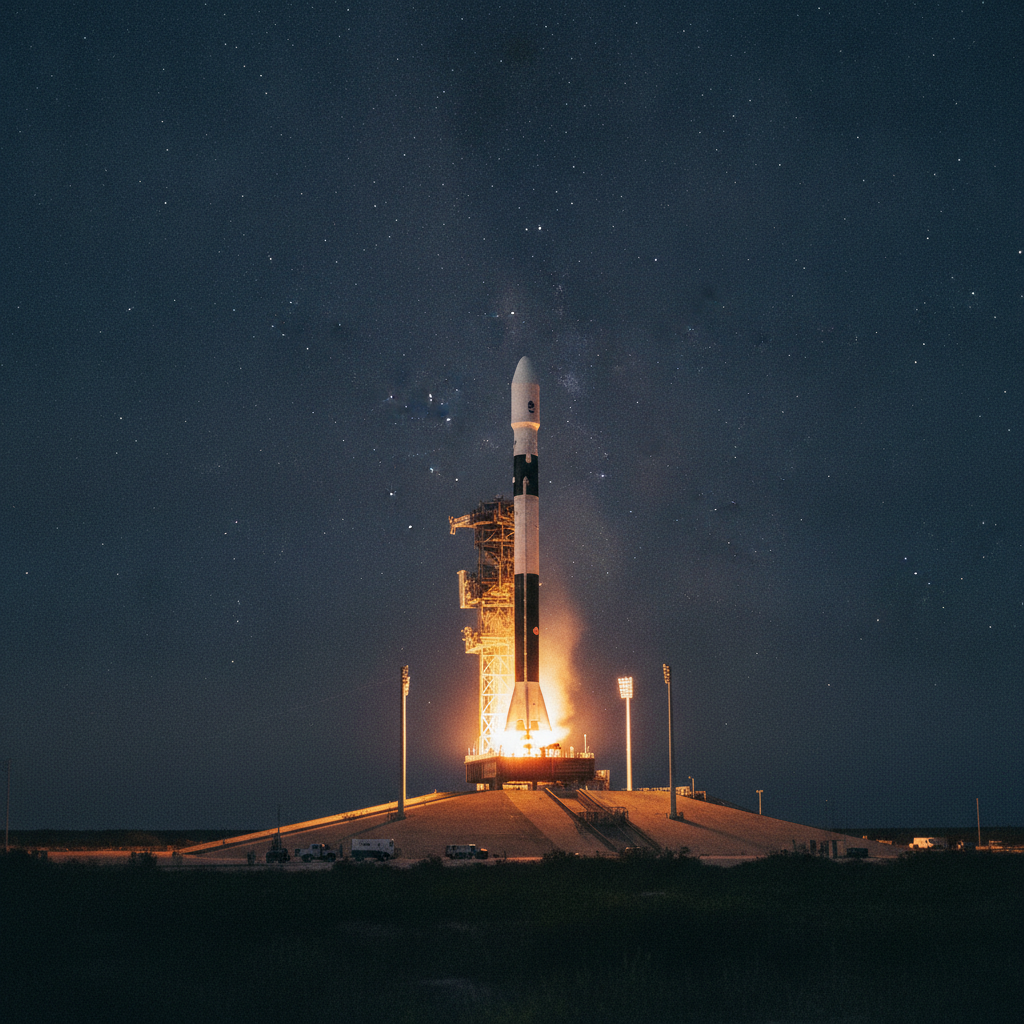
One year ago, $5.6 billion seemed like enough. On Friday, the US Space Force announced it was tripling the maximum value of its National Security Space Launch Lane 1 contract to $17 billion—bringing the combined ceiling for Lane 1 and Lane 2 to more than $30 billion, with officials openly admitting the number is likely to climb again. [1]
The National Security Space Launch program, managed by Space Systems Command, divides procurement into two tiers. Lane 1 covers risk-tolerant missions—medium-lift launches, experimental payloads, rideshare slots for surveillance and data relay satellites—and is open to commercial providers without extensive military certification. Lane 2 handles the highest-priority strategic payloads: the government's largest spy satellites and radiation-hardened communications satellites designed to survive a nuclear war. [1][2]
Only SpaceX's Falcon 9 and Falcon Heavy, and United Launch Alliance's Vulcan rocket are certified for Lane 2 missions. Lane 1 casts a wider net: Space Systems Command originally selected SpaceX, ULA, and Blue Origin for Phase 3 in 2024, later adding Rocket Lab, Stoke Space, Relativity Space, and Impulse Space to the roster of competing providers. SpaceX has won the lion's share of Lane 1 task orders to date; Blue Origin won its first earlier this year. [1]
The original math was straightforward. Officials capped Lane 1 at $5.6 billion to cover an estimated 30 task orders over five years, and set the Lane 2 ceiling at $13.7 billion for approximately 54 launches through 2029. Then, in April, Space Systems Command revealed it had identified 25 additional Lane 2 missions on top of those 54—just one year into the contract. Now Lane 1 has been tripled, and the Space Force has not said how many additional missions it expects to order beyond the initial 30. [1]
What's happening here is less a procurement anomaly than a structural shift in how the military thinks about space. The number of satellites, the urgency to place them, and the programs demanding orbital presence have all expanded faster than any single contract cycle anticipated.
The drivers are not entirely mysterious. The Space Force has awarded multibillion-dollar contracts to SpaceX for deployment of satellites supporting the Pentagon's Space Data Network and Airborne Moving Target Indicator programs—constellations designed to deliver global connectivity and targeting data to US forces. Golden Dome, the Trump administration's proposed missile defense shield, is also expected to require an untold number of space-based missile warning sensors and space-based interceptors, though specifics remain undisclosed. [1]
The budget trajectory is equally steep. The Trump administration has requested $71.1 billion for the Space Force in fiscal year 2027, up from approximately $40 billion allocated for fiscal year 2026. The House Appropriations Committee's draft 2027 Pentagon budget includes $55.5 billion for the Space Force—considerably less than the White House's ask. The Senate has not yet released its version. [1]
The program formally became NSSL on 1 March 2019 to better reflect the growing commercial launch market and the changing nature of launch contracts, including the potential for reusable launch vehicles. [1][2]
The shift from two certified incumbents to a broadening pool of commercial contenders is a structural change decades in the making—one that the current spending surge is accelerating rather than inventing.
For now, the ceiling is $30 billion. But Space Force officials have left the door open to further increases, and the programs driving demand—global targeting constellations, missile defense architecture, classified surveillance networks—are still taking shape. The launch market the Pentagon once treated as a utility is becoming one of its largest capital commitments. [1]