Timken Builds a Motion Stack for Humanoid Joints
A platform uniting strain wave, cycloidal, and planetary gearing aims to solve the joint-by-joint complexity of humanoid robotics.
By The Robotics Desk
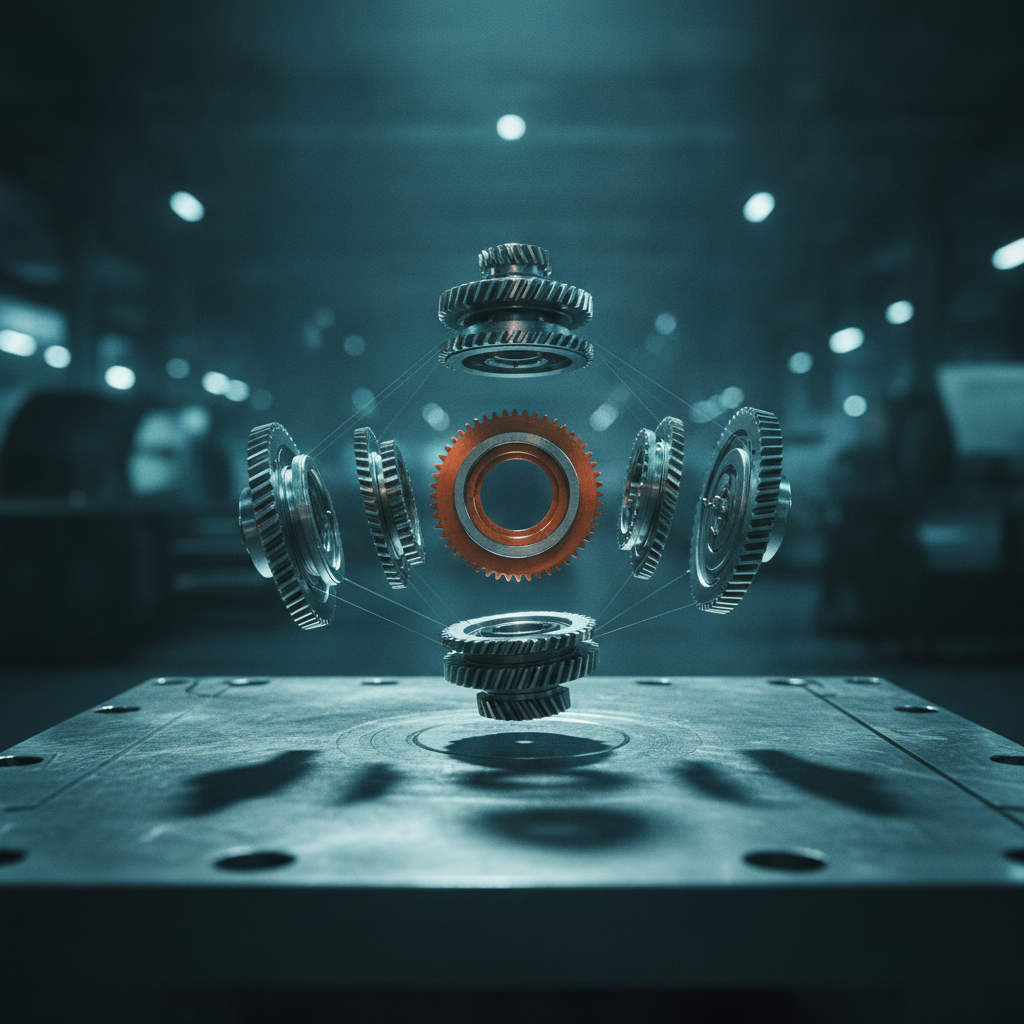
Every joint in a humanoid robot tells a different story. Load-bearing hips demand something a compact wrist would reject outright, and end effectors add another set of constraints entirely. Timken Precision Drives — part of The Timken Co. — is positioning its multi-technology platform as the answer to that per-joint complexity. [1]
The platform brings together four units under one engineering umbrella: Cone Drive, SPINEA, CGI Motion, and Timken Encoders. [1] Cone Drive supplies strain wave gearing for applications requiring compact packaging, high torque density, and zero-backlash positioning. [1][3]
CGI Motion rounds out the mechanical side with precision planetary and micro gearing for compact mechanisms, while Timken Encoders adds magnetic position feedback in both absolute and incremental configurations. [1] Together, the portfolio lets engineers consider how gearing, motors, bearings, and position feedback will interact within the available space before committing to a design direction. [1]
The pitch is less about individual components and more about the conversation that precedes them — starting with the problem rather than the catalogue.
[1][2] The company plans to exhibit at Humanoids Summit Silicon Valley on Dec. 1 and 2 at the San Mateo County Event Center. [1]
For humanoid developers still mapping their joint requirements, the more useful question may not be which gearbox to buy — but whether the supplier can reason across all of them at once.
Understanding the application early allows engineering teams to consider how gearing, motors, bearings, and position feedback will interact within the available space.Timken Precision Drives